
As experienced professionals across the oil and gas industry approach retirement and the sector continues to evolve, developing the next generation of technical talent has become increasingly important.
For AOS Orwell’s Well Construction Division (WCD), this reality led to the creation of its Graduate Trainee Programme—an initiative designed to bring young engineers into the industry, equip them with practical experience and technical knowledge, and prepare them to take on greater responsibilities.
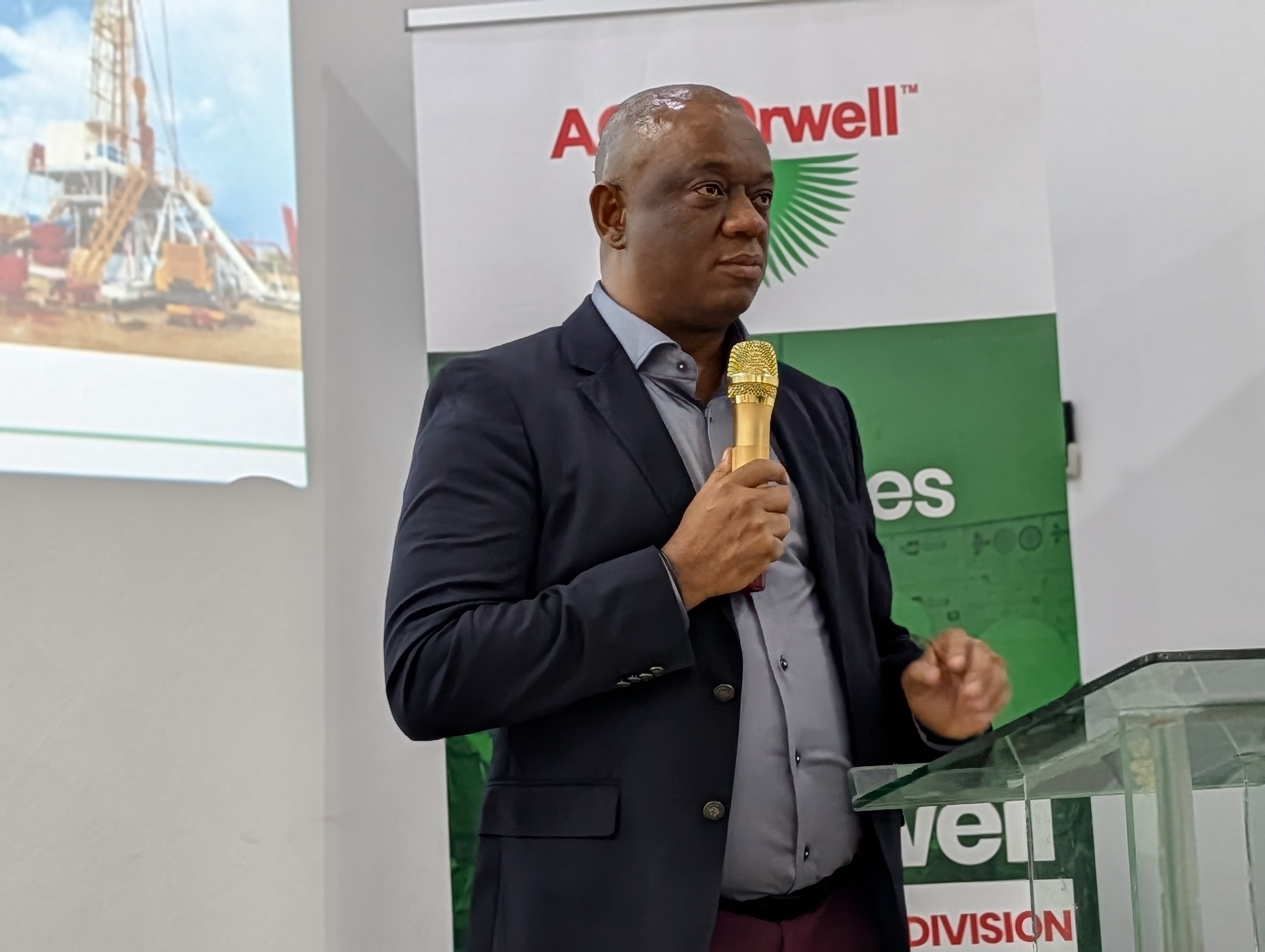
Speaking on the motivation behind the programme, Anthony Nwosu, Country Director, Well Construction Division, explained that the industry was experiencing a gradual loss of experienced personnel.
“We are losing experience. A lot of experienced people have aged, some are retiring, and they’re all going away.”
Anthony Nwosu, Country Director, Well Construction DivisionHe noted that the disruption caused by the COVID-19 pandemic further accelerated the loss of experienced professionals, with some leaving the industry permanently. As industry activities resumed and began to pick up, the impact of that experience gap became increasingly evident.
For AOS Orwell, the situation presented a clear challenge: how to ensure that the knowledge and experience required to sustain the business are transferred to the next generation.
“We looked internally and made our own assessments, and saw we’ve got an ageing population. Over time, most of the experienced people we have today that are working will be retiring in another couple of years.”
Anthony NwosuThe Graduate Trainee Programme was therefore conceived as more than a recruitment initiative. It was a long-term investment in the company’s technical capability and future leadership.
“For us to continue to exist, it’s not even a question of whether we want to. We have to get on and bring in the young people, train them, develop them, mentor them into experience levels.”
Anthony NwosuBeyond Training: Building Experience
Developing a competent engineer takes time, particularly in a technically demanding environment such as well construction. According to the Country Director, the industry typically requires between three and five years of mentoring and practical exposure before a young engineer can begin operating with greater independence.
However, the experience at AOS Orwell has been particularly encouraging.
Asked whether the programme has delivered against its original objectives, he was unequivocal.
“I would say it has over-delivered. It has overachieved what I expected.”
Anthony NwosuHe attributed this progress to the intensity of the programme, particularly the combination of structured training and exposure to real operational environments.
The result, he explained, is that some of the programme’s young engineers are already taking on responsibilities and leading jobs in slightly under three years—earlier than might traditionally be expected.
“We have seen a few of them that have been there delivering jobs and we are proud of what they’ve shown to be able to do today.”
Anthony NwosuFor the Well Construction Division, this represents one of the clearest measures of the programme’s success: seeing young engineers progress from trainees into professionals capable of contributing meaningfully to project delivery.
Investing in the Future
Like any investment in people, the programme comes with an inherent risk. Trained professionals may eventually choose to pursue opportunities elsewhere.
But for WCD, that possibility does not diminish the value of developing talent.
“If you train them, they get experience, they leave. Gen Zs who didn’t leave, yes, some of them will. Some will remain, but you know what? We will train more and more.”
Anthony NwosuThat philosophy captures the thinking behind the programme: building talent is not simply about filling today’s skills gap, but creating a sustainable pipeline of professionals who can carry the organisation’s technical capabilities into the future.
As the Graduate Trainee Programme continues to evolve, its success will ultimately be measured not only by the number of young engineers it develops, but by the responsibilities they go on to assume and the contribution they make to the organisation and the wider Nigerian energy industry.
For AOS Orwell’s Well Construction Division, the objective is clear—develop the talent, transfer the experience and prepare the next generation to lead.